You Do Not Need To Dive
Red Sea coral grows to the waterline. Snorkelers reach the same reefs as divers, on the same morning, from the same tenders. This guide covers what you see, which sites work from the surface, and how a mixed group travels together.





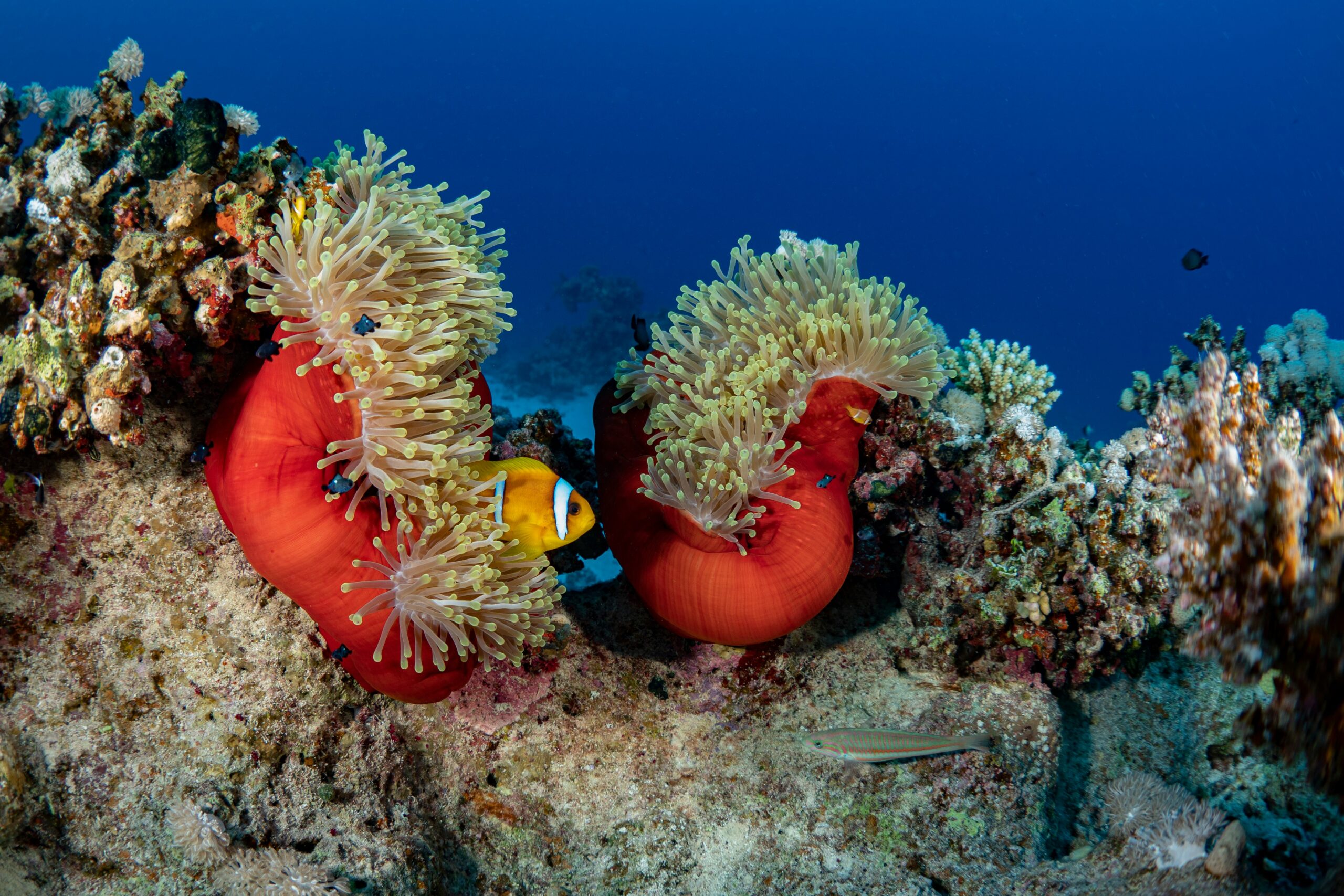
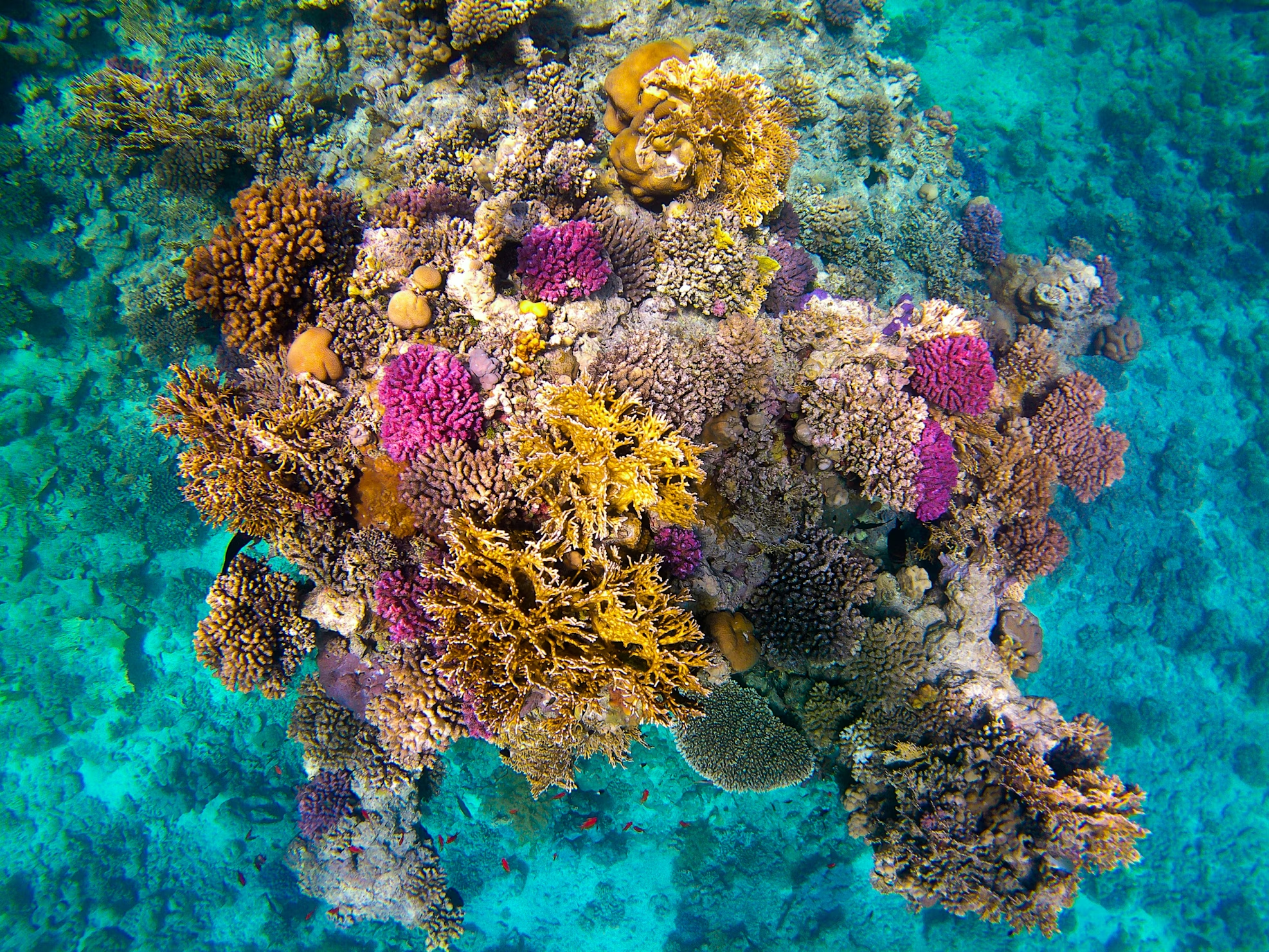
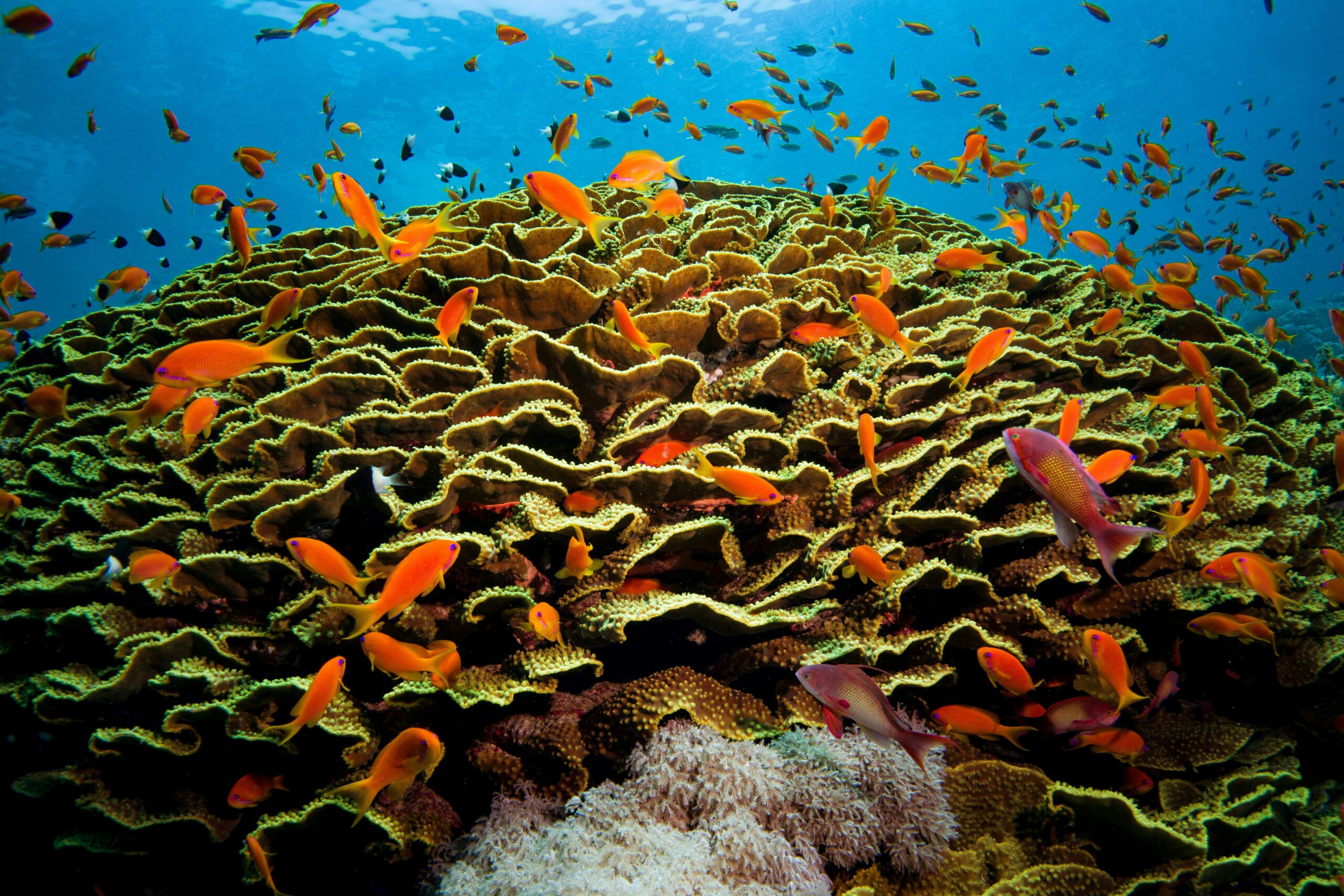
Reef top, shallow coral, offshore shoal — all within snorkeling range · boreascruises.com
The Reef Starts At Two Metres.
Most famous dive destinations are famous for depth. The Red Sea is different, and the reason is geological. These are fringing reefs, and they grow all the way to the waterline.
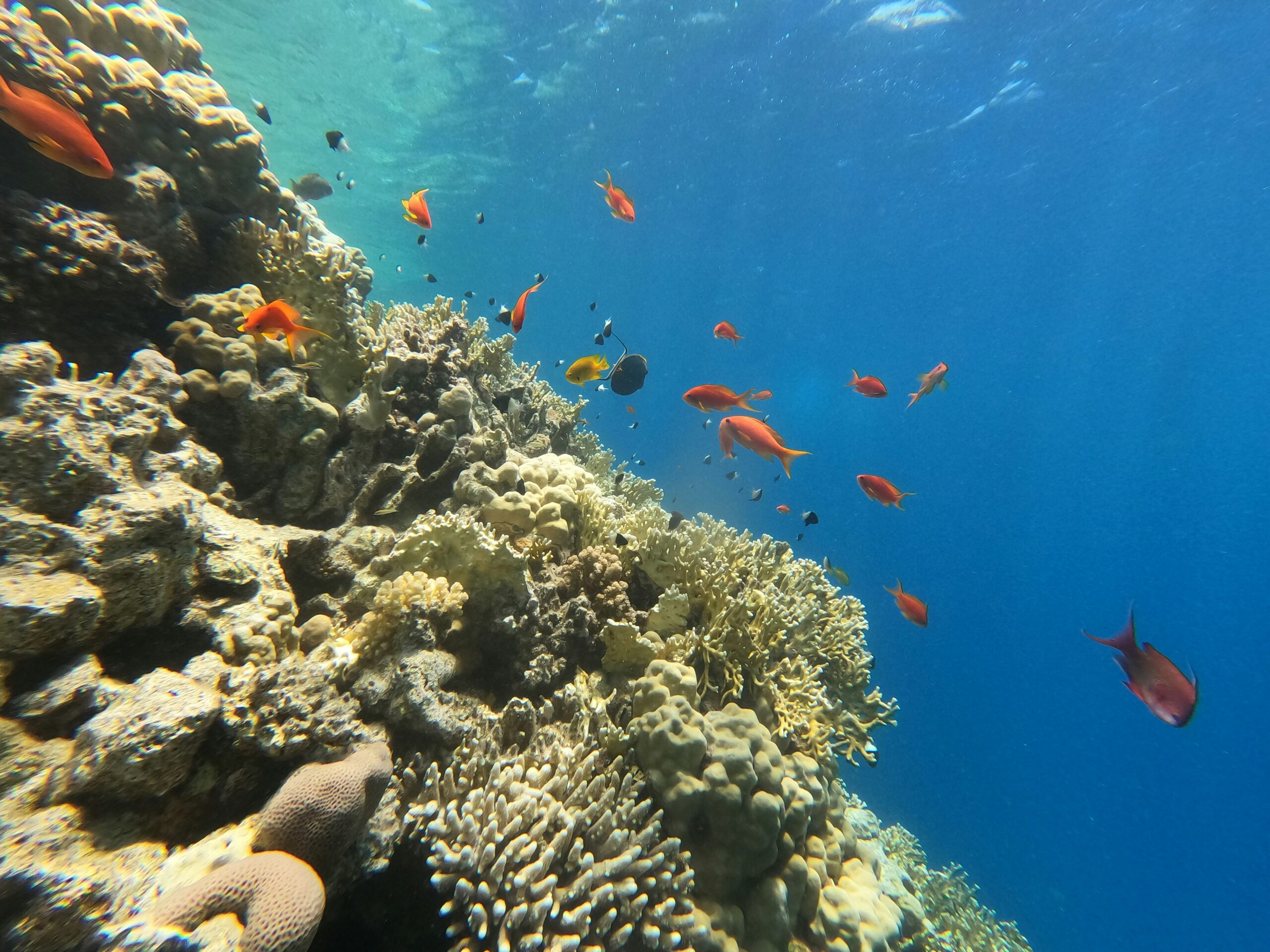
A reef wall that a diver follows down to forty metres has a top. That top sits within arm’s reach of the surface. It is the brightest and most densely populated part of the whole structure. Divers pass through it on the way somewhere else. Snorkelers stay in it.
Three conditions make it work from above. Visibility routinely runs past thirty metres. Water sits between roughly 22°C in winter and 28°C in late summer, so sessions are long. And on protected sites there is little current, so floating is genuinely floating.
What You See Without A Tank.
Vague promises about colourful marine life help nobody decide anything. Here is what is realistically in range between the surface and about five metres.
Table, brain and staghorn coral. The part that photographs best in shallow light.
Clouds of small orange fish over the coral heads. The most recognisable Red Sea image.
Grazing the coral. Stay still and you can hear parrotfish biting rock.
Common over seagrass beds, and they surface to breathe — putting them in your world.
Large and curious, and frequently found in shallow water near reef tops.
At protected resting sites, snorkeling is often the only permitted way to share the water.
What you will not see from the surface: the deep wrecks, the hammerhead schools at Daedalus, oceanic whitetips at Elphinstone. That is a real trade-off. It is also a narrower list than most people expect.
When They Dive, You Snorkel.
This is the part that decides whether the trip works for you, and it comes down to scheduling rather than scenery. The tenders that drop divers can drop snorkelers, at the same site, at the same time.
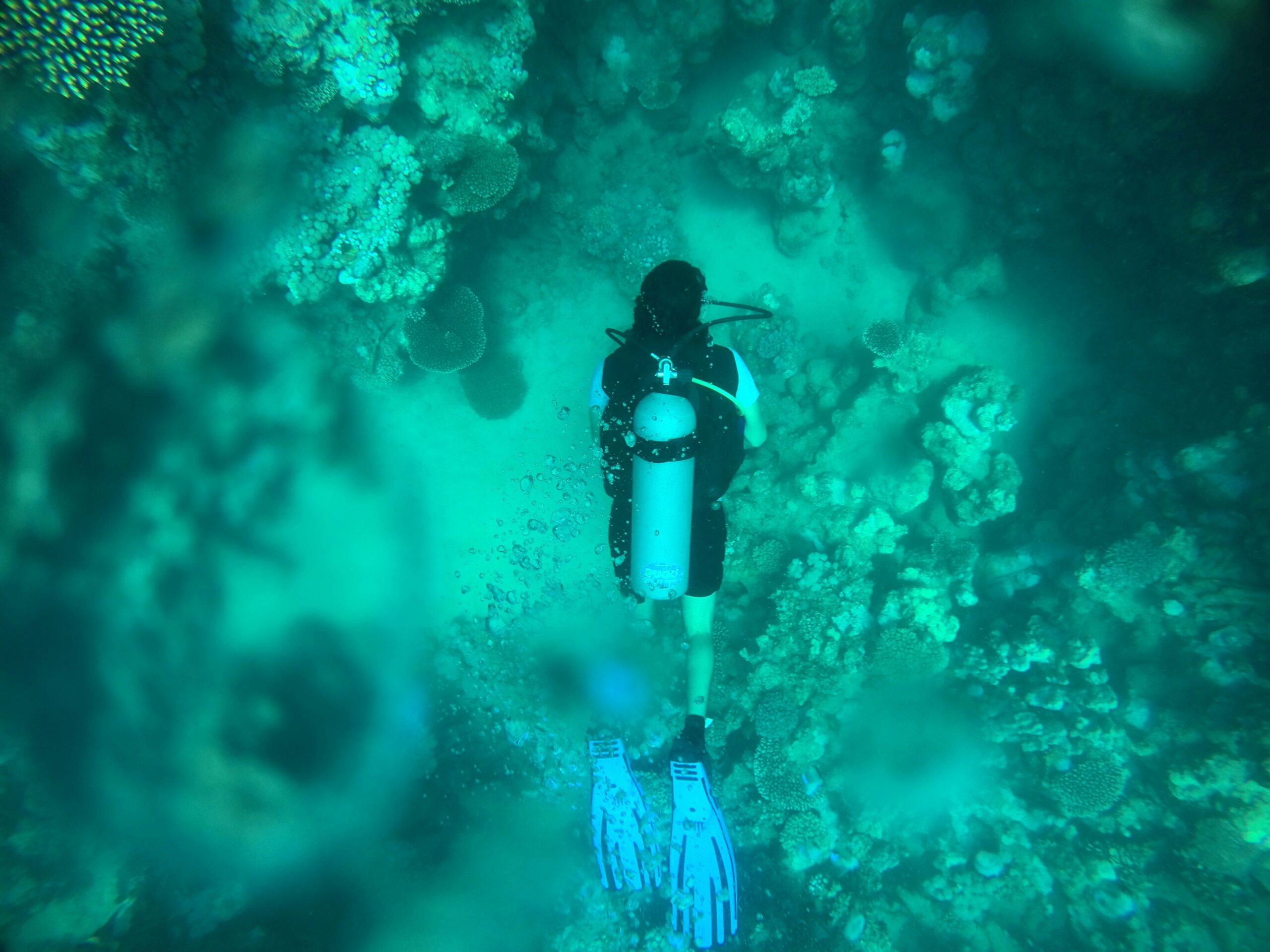
Divers descend the wall. You stay along its top. Everyone surfaces within the same hour and eats lunch together arguing about who saw the turtle. Compare that with the alternative most non-divers end up with — a day boat from a hotel beach, one site, a fixed two hours, and forty other people in the water at once. The difference is not the reef. It is access and timing.
Nobody Should Spend The Week On Deck.
Aboard Boreas, three tenders run throughout every session, so snorkelers are not waiting for a boat to come back. Between water sessions there is a sea pool, a slide, paddleboards, a jacuzzi and a spa.
The non-diver’s real complaint is rarely the water. It is the four hours of nothing between sessions.
On the diving programme, sites are confirmed each morning based on wind, sea state, and the group’s certification levels. Shallow options are chosen alongside the deep ones rather than after them.
Where You Sleep Changes What You See.
The biggest factor in snorkeling quality is not equipment or skill. It is how far from shore you wake up. Reefs closest to the resorts take the most traffic. The best shallow coral is offshore.
Boreas Floating Resort
A 50m steel liveaboard, 20 cabins, up to 48 guests. Moors at the reef overnight, so the first session happens before the day boats arrive from the coast. The non-diving half of the trip was designed rather than tolerated.
See the vessel →Partner Vessels
The 18-cabin yacht, built 2024 for up to 36 guests, runs 3, 4 and 7-night charters from Hurghada and Port Ghalib. The 12-cabin superyacht is the smaller, more private version of the same idea.
See the fleet →La Maison Bleue, El Gouna
A Relais & Châteaux house with thirteen suites, a private lagoon and a stretch of sand, 35km north of Hurghada airport. Snorkeling runs as day trips, with a spa, golf and desert excursions between sea days.
See the house →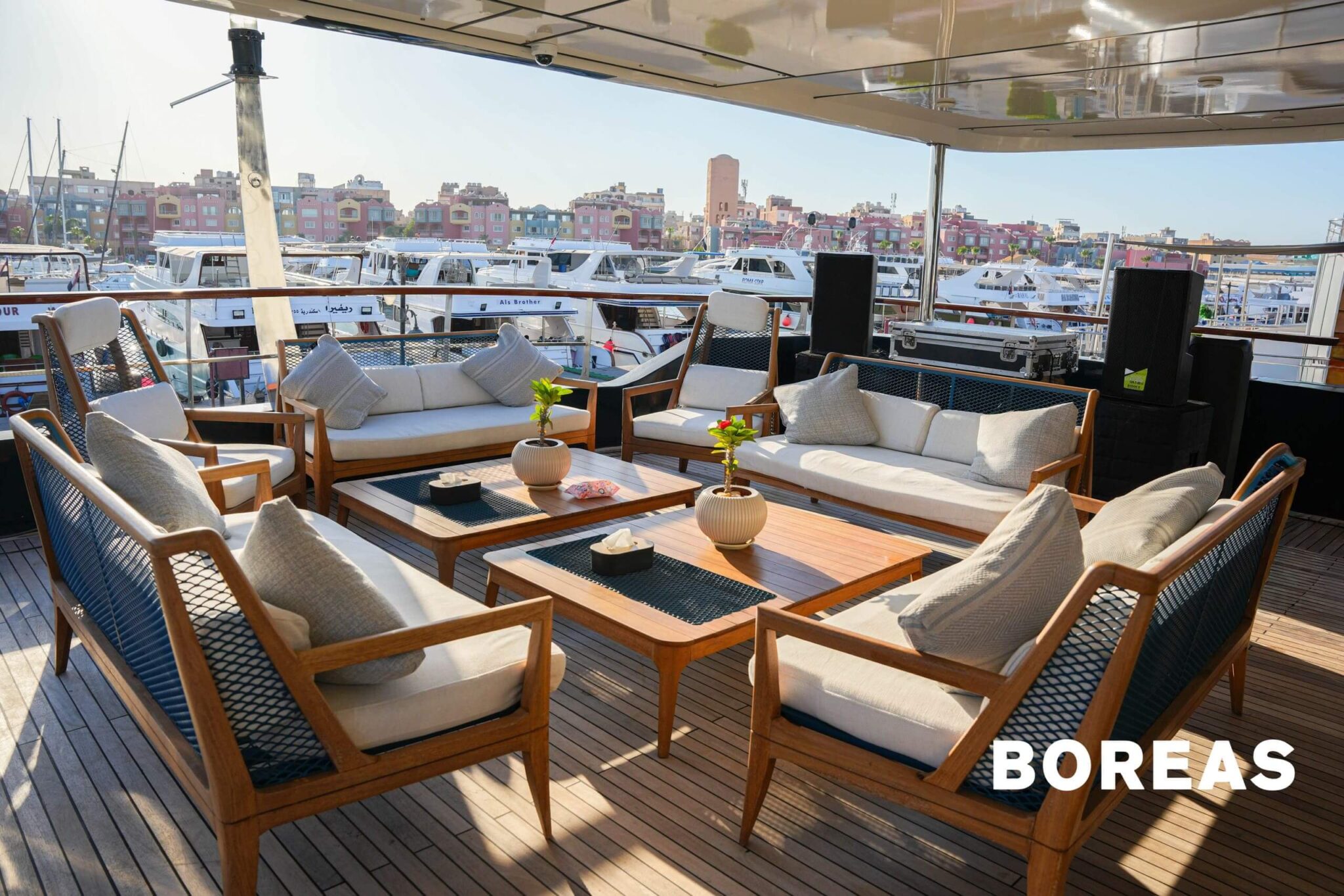
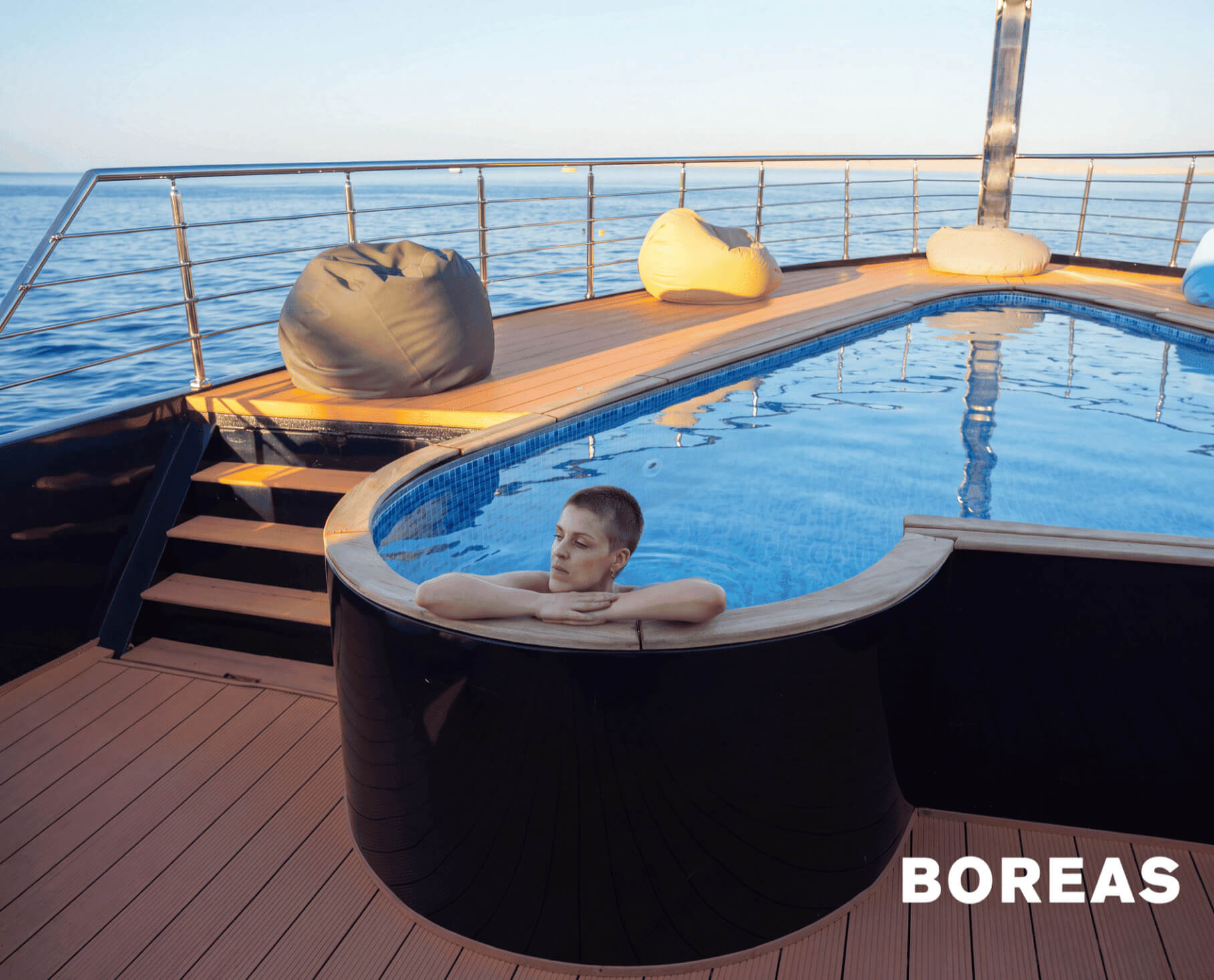
Sun deck and pool deck — where the day goes between water sessions · boreascruises.com
Five Sites That Work From The Surface.
Not every famous Red Sea site is worth snorkeling. These five are, for structural reasons rather than sentimental ones. For a wider list, see our guide to the best snorkeling spots in the Red Sea.
Kit, Timing & What To Know.
Every voyage offers the opportunity to actively contribute to reef protection, shark science, and local community support — your trip leaves something behind. Snorkelers are central to this, not spectators.

Coral health monitoring programme. Guests collect live reef data during snorkelling sessions — observations submitted directly to UQ’s global database.
Cooperation programme and shark log citizen science. Guests contribute species and behaviour observations to global shark population research.
Briefings include shark conservation education. Shark Angels materials available aboard — guests leave with a grounded understanding of Red Sea shark behaviour and status.
Active support of Red Sea local communities. Guests can join community meetings and cultural exchanges during port stops.
Ongoing partnerships with HEPCA, CDWS, and international marine science associations — reef mooring compliance, waste protocols, and guest education on every voyage.
No anchoring on living reef. Single-use plastic eliminated from all catering. Marine awareness sessions on selected evenings — open to all guests aboard.
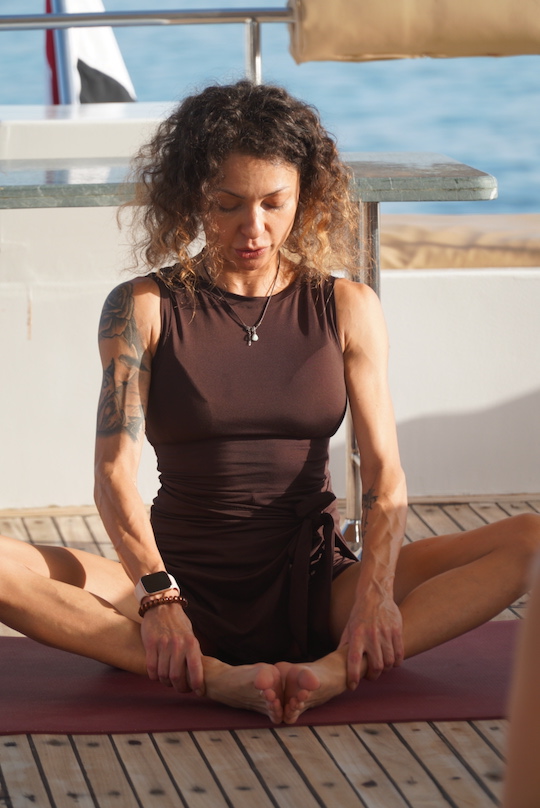
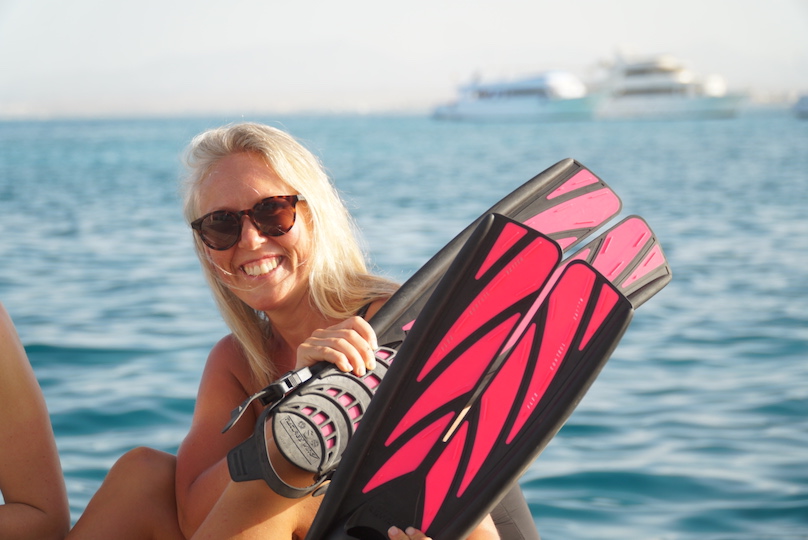
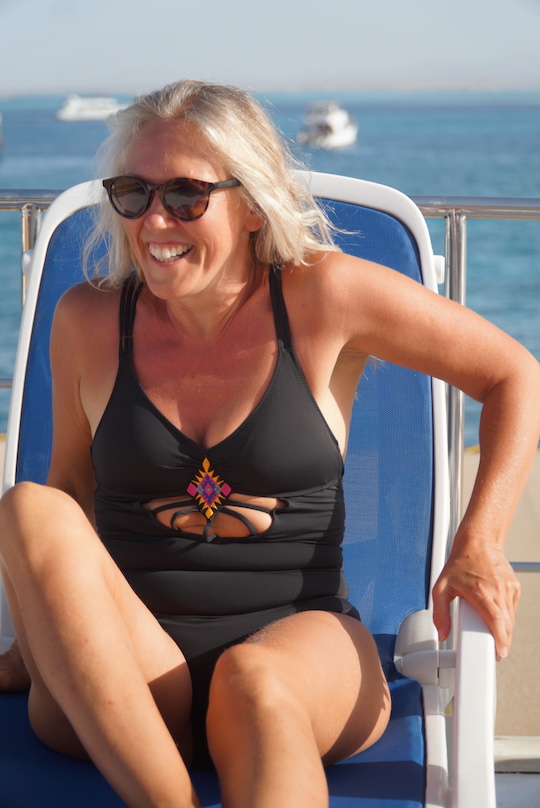
Between sessions, the day is yours · boreascruises.com
Questions From Snorkelers
Do I need to dive to join a Red Sea voyage?
No. PADI dive guides are on board for certified divers, but diving is not a requirement. Non-divers snorkel the same sites from the same tenders, and can freedive or use the spa, yoga zone and sundeck instead.
Do I need to be a strong swimmer to snorkel?
You need to be comfortable floating with your face in the water. Fins do most of the work. Tell the crew your confidence level in advance so sites and support are chosen accordingly.
Can snorkelers and divers do the same trip together?
Yes, and it is the format most mixed groups choose. Sites are confirmed each morning based on conditions and the group, and are selected to serve both depths — so nobody spends the week waiting on deck.
Can I snorkel with dolphins in the Red Sea?
At protected sites such as Samadai, snorkeling is often the only permitted way to be in the water near resting spinner dolphin pods. Encounters are never guaranteed, and access zones are regulated.
What is the best time of year for Red Sea snorkeling?
April to June and September to November, for warm water, active marine life and thinner crowds. Winter still works and often has the best visibility of the year, with a wetsuit for longer sessions.
Is snorkeling equipment provided on board?
Arrangements vary by vessel and by charter. Contact us with your dates and we confirm what is provided and what to bring.
Half Your Group Dives. The Other Half Should Not Be Waiting.
Tell us who is travelling and how long you have. Rates and availability on request — we respond within 24 hours.